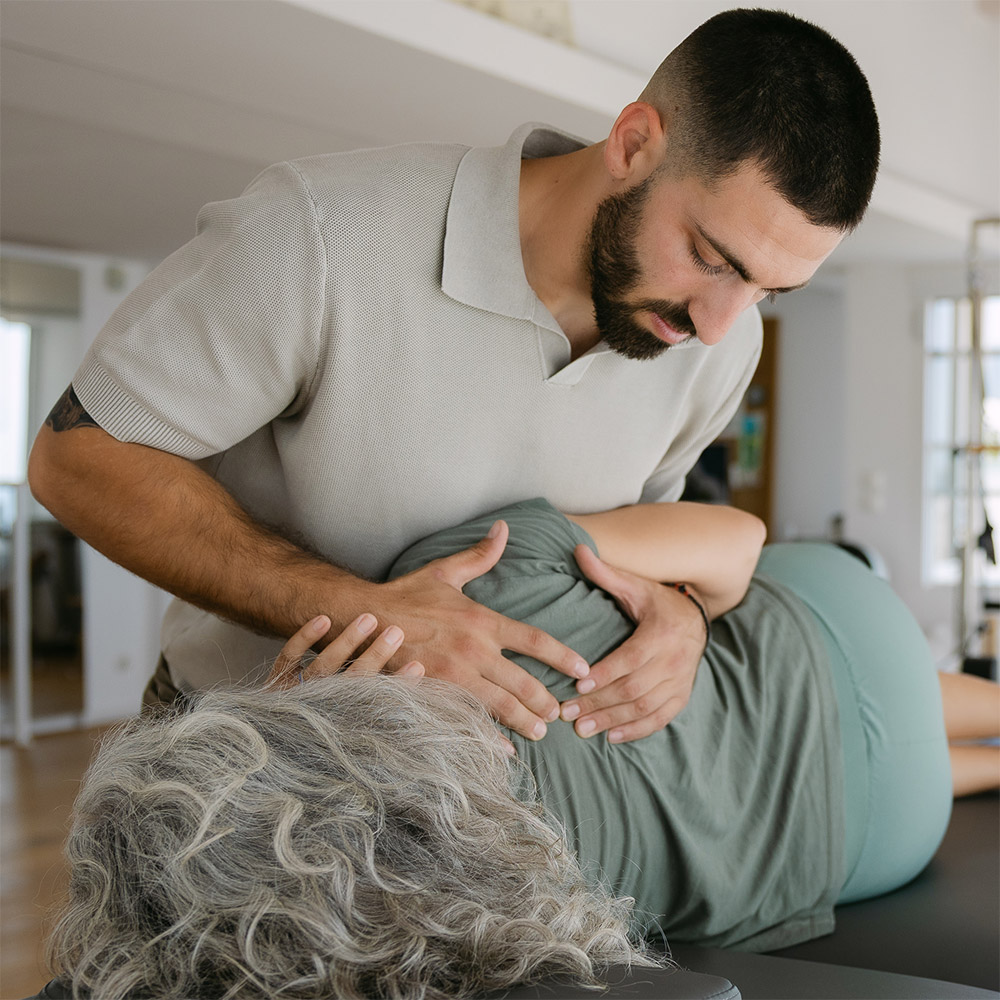
Osteopathy
Osteopathy is a non-invasive, medicine-free therapy used to treat a wide range of health conditions. Its goal is to improve overall health by enhancing the body’s natural ability to heal itself.
It is based on the principle that well-being depends on the balanced interaction between the musculoskeletal, nervous, and circulatory systems, as well as the connective tissues. When these systems function harmoniously, the body maintains homeostasis—its essential ability to keep internal balance and stability. Osteopathy takes a holistic approach, treating the person as a whole rather than focusing only on isolated symptoms or areas of pain. It is suitable for all ages, from infants to the elderly, and can be applied regardless of physical condition. In addition to treatment, osteopathy is also highly effective as a form of prevention and long-term health maintenance.
How is this achieved? Osteopathic treatment uses gentle, hands-on techniques to improve blood circulation, support lymphatic flow, and restore balance within the body. Imbalance can occur between the body’s structure and function, often caused by alterations in movement mechanisms, that can, in turn, lead to strains in other areas of the body.
The inner healer
Osteopathy was founded in the late 18th century by Andrew Taylor Still and is based on four fundamental principles:
Rather than focusing solely on symptoms, an osteopath seeks to identify and address the root cause of a problem. Often, the true origin of pain may lie in a different area of the body from where symptoms appear. Osteopathic sessions aim to create the right conditions for the “inner healer”—the body itself—to function optimally, restoring balance and supporting natural recovery.
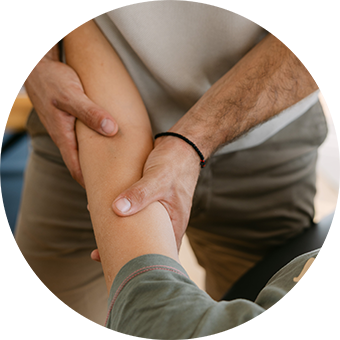
Osteopathic Manual Therapy includes the techniques of soft tissue massage, stretching, spinal mobilization and adjustments, along with visceral and neurological manipulation
Pediatric osteopathy
Did you know that conditions such as infant colic and certain breastfeeding challenges in newborns may often be linked to the pressure experienced on the head and during birth, that can, in turn, affect the normal function of the baby’s nervous and musculoskeletal systems?
Research and clinical experience also suggest that some developmental challenges, neurodevelopmental issues, as well as conditions such as ear infections, sinusitis, and recurrent respiratory infections, may be associated with birth-related strain or unresolved physical stress during early development.
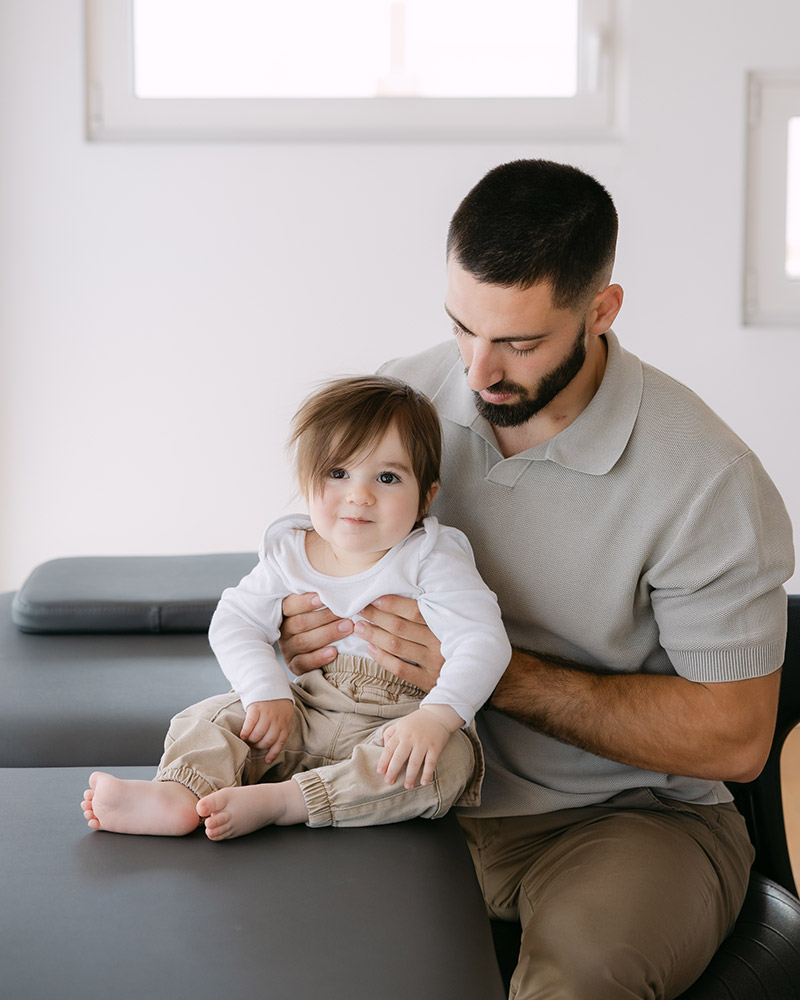
Pediatric osteopathy offers a gentle and specialized approach designed to support infants and children from birth through adolescence. It focuses on identifying and addressing areas of physical restriction or imbalance that may affect healthy development and overall well-being. As a practitioner with postgraduate training in pediatric osteopathy, I provide careful assessment and individualized treatment tailored to each child’s needs.
Safe for children
According to one of the core principles of osteopathy, structure and function are interconnected. When the mobility of muscles, joints, or ligaments is restricted, it can influence the proper function of the body’s systems and, in turn, a child’s healthy development. Pediatric osteopathy restores balance and improves natural mobility, thereby supporting overall health, growth, and well-being.
The techniques used in pediatric osteopathy are extremely gentle and safe, making them suitable for all stages of a child’s development. Because an infant’s skeletal system is softer and more delicate than that of an adult, specialized methods such as cranial osteopathy are used. These techniques help promote relaxation, regulate the nervous system, and support the child’s overall calmness and comfort.
When necessary, I work in collaboration with other healthcare professionals such as pediatricians, midwives, and lactation consultants, ensuring a comprehensive and well-rounded approach to each child’s care.
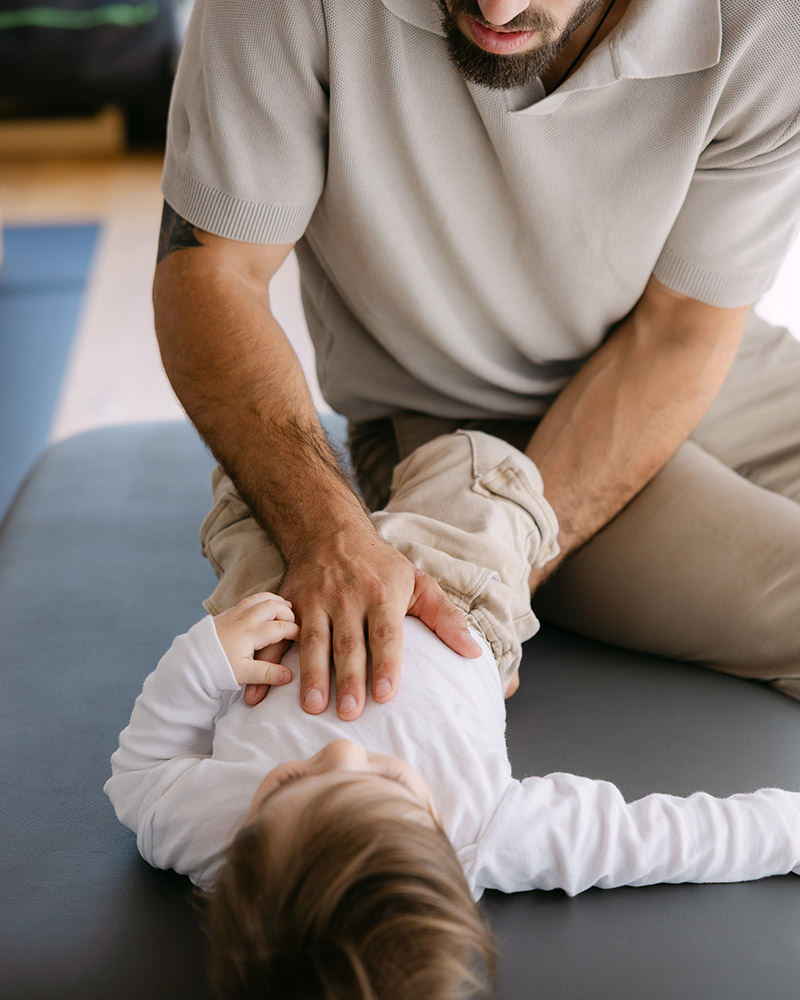
Cranial osteopathy
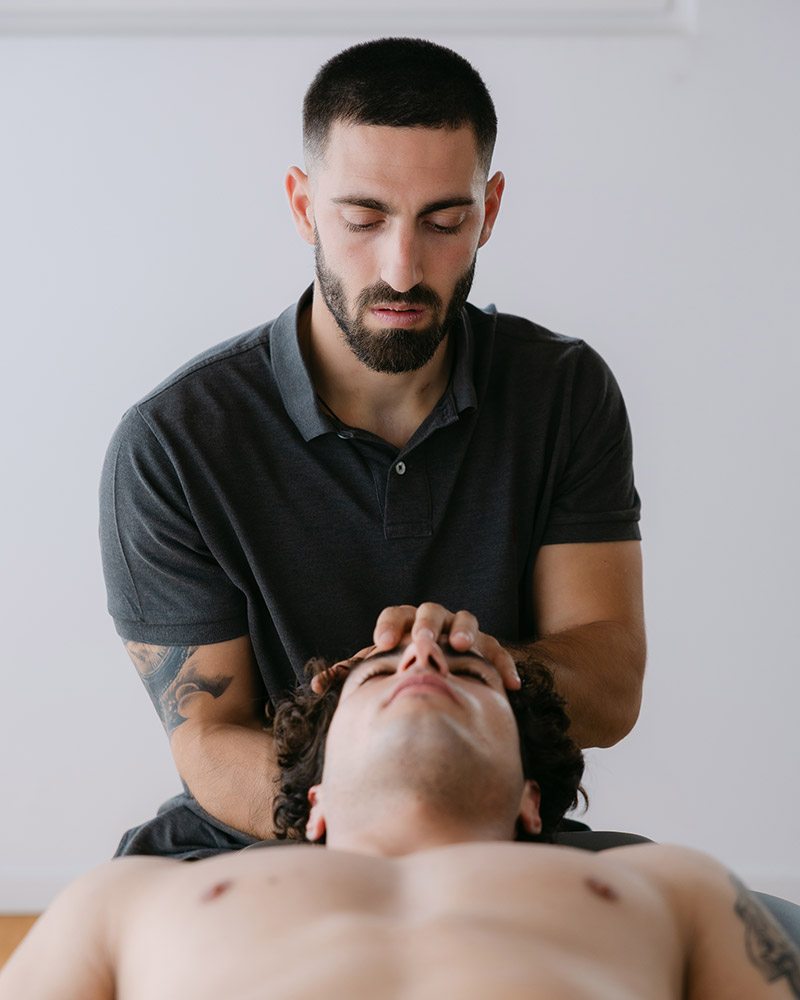
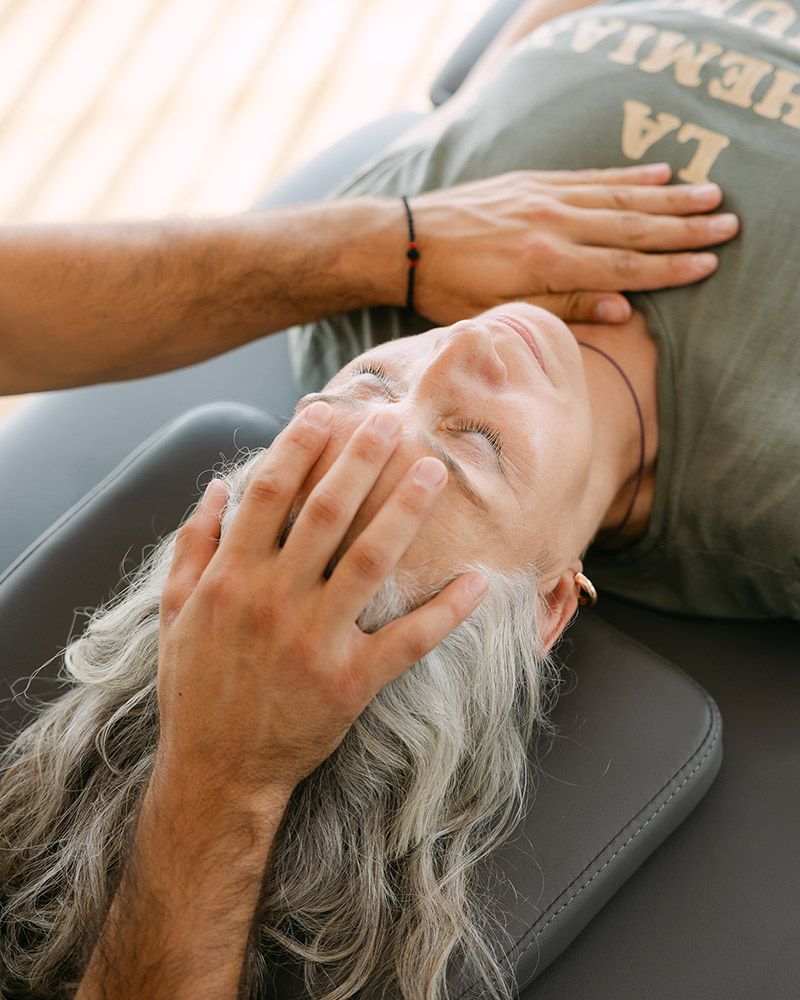
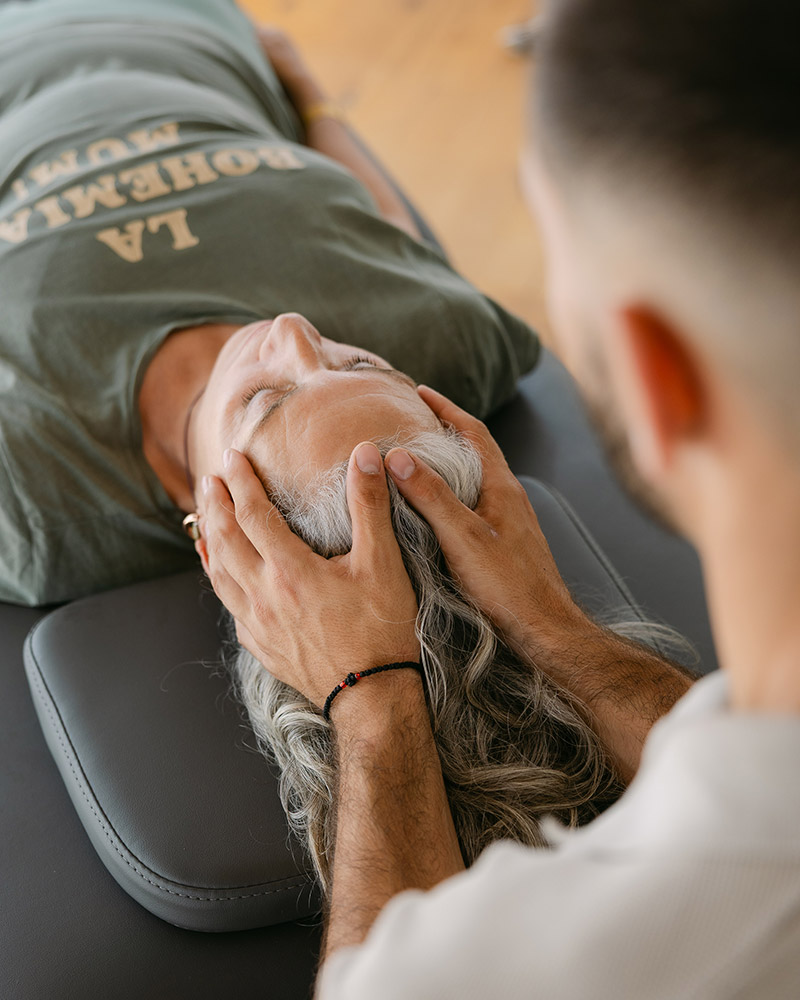
One of the first students of Osteopathy founder Andrew Taylor Still, William Garner Sutherland, discovered cranial osteopathy in 1939. This therapeutic approach works by identifying the involuntary motion of the primary respiratory mechanism—that is, the subtle rhythmic movements of the 22 bones of the skull and the flow of cerebrospinal fluid (CSF). Its aim is to release tension, improve the mobility of the cranial sutures, and restore balance within the tissues.
The osteopath applies this technique whenever deemed necessary during treatment, particularly for addressing migraines, headaches, anxiety, chronic pain, and concussion cases. Cranial osteopathy is also considered especially beneficial for babies who have experienced a difficult birth or suffer from colic and sleep disturbances.
What does cranial therapy feel like? The osteopath uses gentle hand contact to sense the patient’s “cranial rhythm” and, by following it, releases any restrictions through light pressure, offering a deeply relaxing experience.
Visceral osteopathy
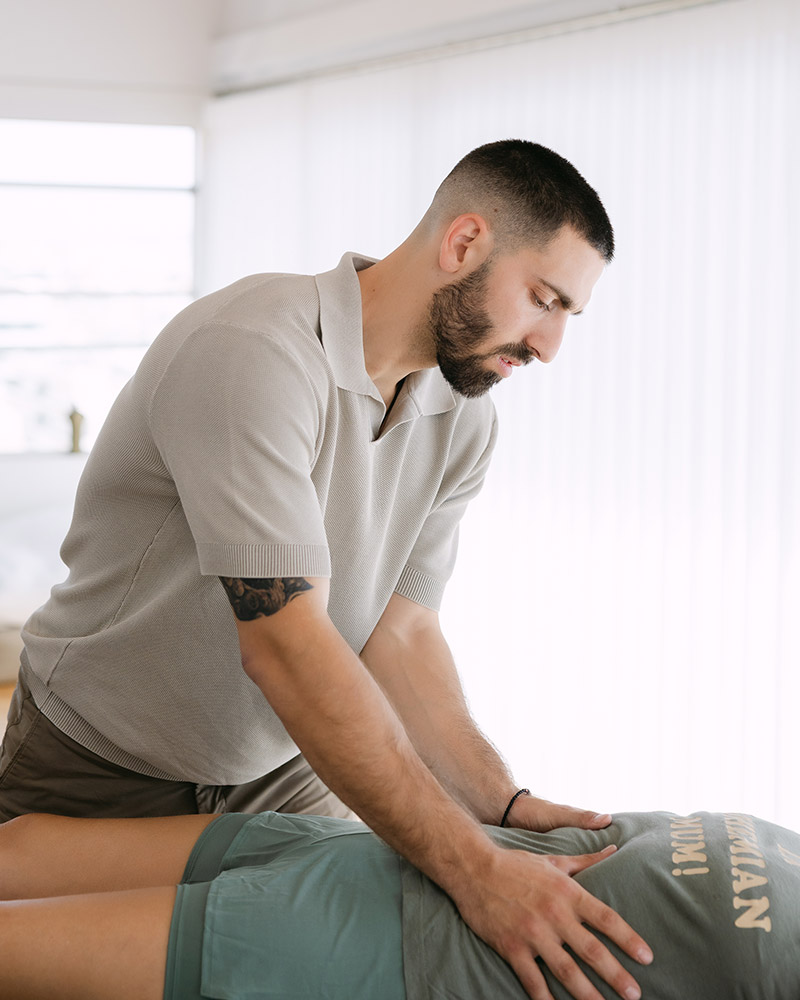
A technique that an osteopath may apply—depending on their training and the specific needs of each case—which focuses on the internal organs (viscera) such as the liver, kidneys, and intestines, as well as on how they move and interact within the abdominal and pelvic regions.
Through specialized manual techniques (external pressures and movements), the internal organs are gently mobilized to improve their blood supply and release restrictions that may affect the function of the visceral nervous system, lymphatic flow, and the body’s overall mechanical balance.
This osteopathic technique may help in cases such as constipation, irritable bowel syndrome, and indigestion; in conditions like menstrual pain and irregular cycles; in musculoskeletal pain in the lower back and spine related to visceral dysfunction or pregnancy-related sciatica; as well as in cases of swelling (edema) or frequent infections associated with these issues.
Acupuncture
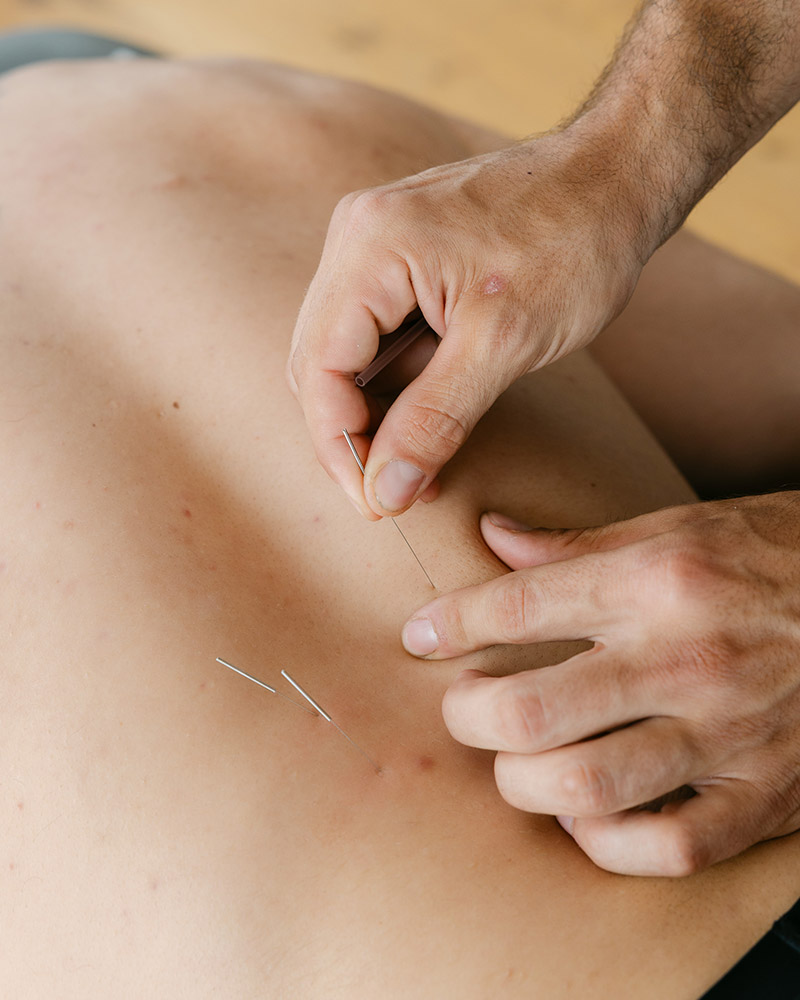
An osteopath trained in acupuncture combines the principles of osteopathy with the technique of inserting very fine needles into specific points on the body, using it as an additional “tool” to address each patient’s condition effectively and holistically. In practice, the osteopath first assesses posture, mobility, and areas of tension, and then applies this painless, ancient therapeutic method alongside other techniques they consider appropriate, aiming to treat musculoskeletal pain, sports injuries, and chronic tension while supporting a holistic and individualized recovery.
Acupuncture, like cranial and visceral osteopathy, works in a complementary way, always to the patient’s benefit.
Is osteopathy for me?
Osteopathy is suitable for everyone, as it is a safe and personalized form of treatment that works both preventively and therapeutically. Its goal is to relieve pain, restore mobility, and improve overall health by activating the body’s natural self-healing mechanisms. Below is a list of conditions that osteopathy may help with. Even if you have a symptom that is not listed, feel free to get in touch so we can explore whether we can address it together.
Musculoskeletal conditions
Women’s health & pregnancy
Osteopathy for babies & children